


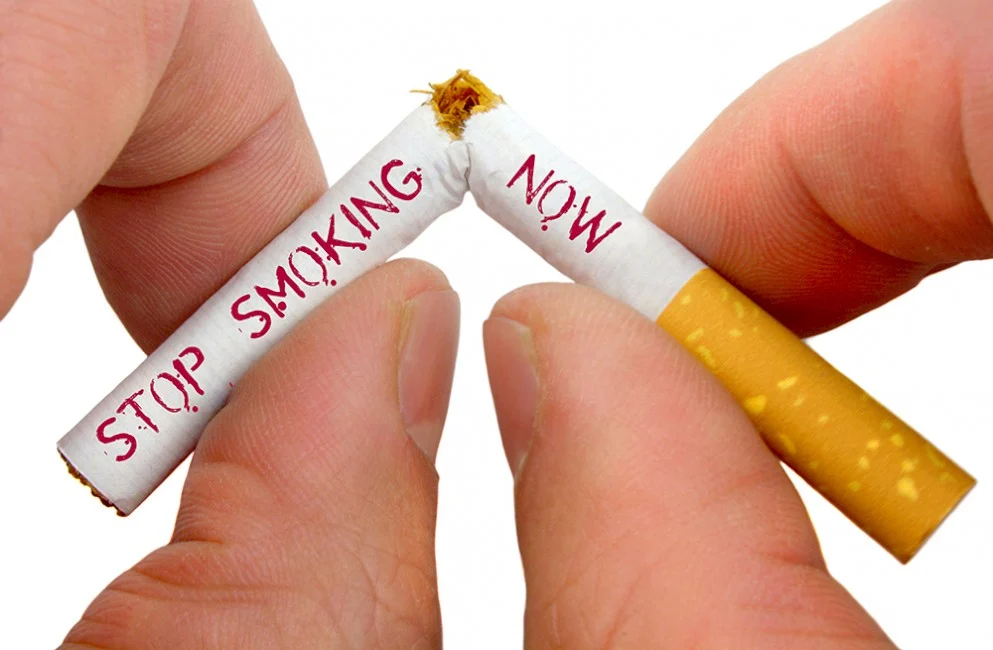
Get 10 powerful tips to stop tobacco and nicotine naturally. Improve your health starting today.
Quitting smoking is one of the best decisions you can make for your health, but it often feels challenging because nicotine is highly addictive. The good news is that millions of people quit successfully every year—and you can too. With the right plan, mindset, and guidance, quitting becomes much easier. This article explains step-by-step how to quit smoking, overcome cravings, and break free from nicotine permanently. Whether you smoke cigarettes, chew tobacco, or use e-cigarettes, these practical methods will guide you toward a smoke-free life.
1. Set a Clear Quit Date

The first step to quitting smoking is selecting a specific quit date. Choose a day within the next week so you have time to prepare but not so long that you lose motivation. Mark this date on your calendar and mentally commit to it. When you set a fixed deadline, your brain starts preparing for change. Use the days before your quit date to reduce smoking gradually or mentally prepare for a full stop. The more intentional your plan is, the better your chances of long-term success.
How to Quit Smoking | Smoking and Tobacco Use | CDC
2. Remove All Tobacco and Smoking Items

Once you commit to quitting, clear your surroundings of cigarettes, vapes, ashtrays, lighters, matches, and tobacco packs. These items trigger your brain to crave nicotine. Keeping them nearby makes quitting harder. Clean your room, desk, and car to remove smoke smell. Replace these items with healthy alternatives like chewing gum, water bottles, or stress-relief tools. A clean environment helps train your mind to think, “I am no longer a smoker,” and reduces temptation significantly.
How to Stop Smoking Instantly: 15+ Effective Ways to Quit Smoking
3. Understand Your Triggers

Many people smoke automatically when triggered by emotions or routines. These triggers include stress, after meals, while drinking tea or coffee, talking with friends, or even boredom. Identify your personal triggers and write them down. Once you know what causes cravings, you can plan how to avoid or replace them. For example, if coffee triggers you, switch to juice for a few weeks. If stress pushes you to smoke, practice deep breathing or take a walk instead. Awareness is the foundation of self-control.
How to Quit Smoking (Proven Tips)
4. Use Nicotine Replacement Therapy (Optional)

Nicotine replacement products like gums, patches, or lozenges provide small doses of nicotine without harmful tobacco smoke. They can help reduce withdrawal symptoms in the first few weeks. However, only use them temporarily—your goal is to break free from nicotine completely. Start by following the recommended dosage and gradually reduce it. Many people quit successfully without nicotine replacements, but for those who struggle with cravings, these tools can provide gentle support during the transition.
धूम्रपान (सिगरेट पीना) छोड़ने के तरीके, उपाय, नुस्खे – how to quit smoking in hindi
5. Drink More Water Throughout the Day

Water plays a powerful role in detoxifying your body during the quitting process. Nicotine leaves the body faster when you stay hydrated. Drinking a glass of water when cravings hit helps distract your brain and reduces the intensity of urges. It also keeps your mouth occupied and prevents the habitual motion of smoking. Aim for at least 8–10 glasses a day. You’ll notice clearer skin, better energy, and fewer withdrawal symptoms when your body stays hydrated.
🚭How to Quit Smoking🚬 – [Step by Step 📖Guide in Hindi] – Dr. Richa Tiwari
6. Change Your Daily Routine
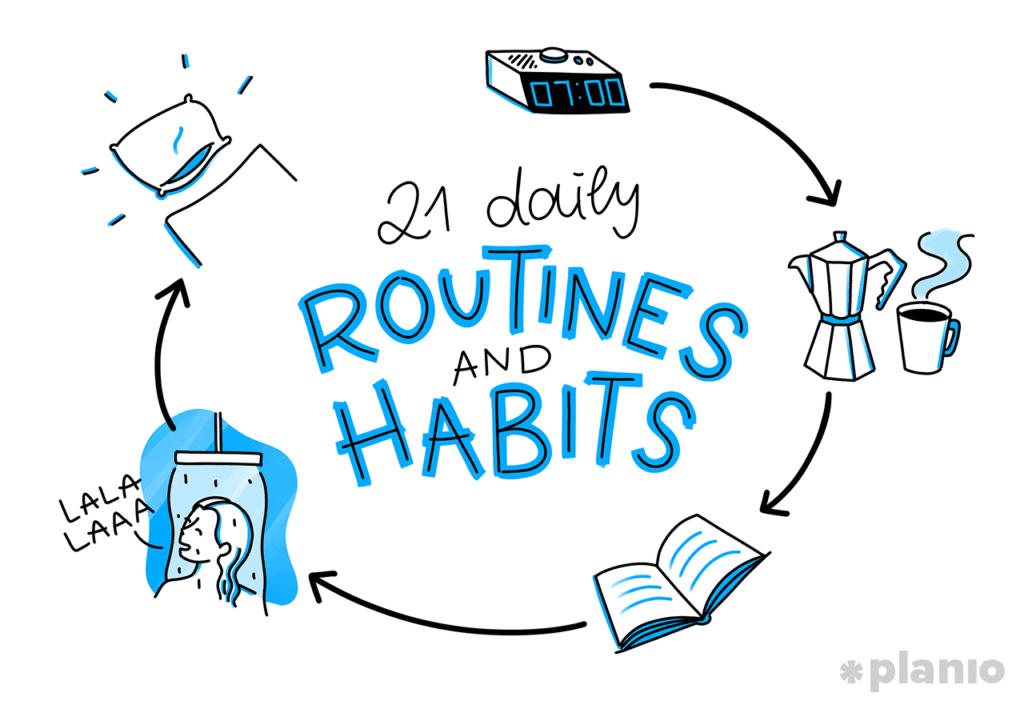
Smoking becomes a habit through repetition. Breaking this pattern requires making small changes in your daily routine. If you smoke after waking up, switch to brushing your teeth immediately. If you smoke during tea breaks, replace the drink or take a walk. If smoking helps you relax after work, try listening to music or exercising. Every time you replace a smoking moment with a healthier action, you teach your brain a new pattern. Over time, this new routine becomes your new lifestyle.
How I Quit Smoking: A Personal Journey
7. Practice Deep Breathing to Control Cravings

Deep breathing is a simple yet powerful technique to fight cravings. Nicotine gives a quick sense of relief because it affects the brain’s dopamine system. Deep breathing provides similar relief naturally. When you feel a craving, inhale slowly for 4 seconds, hold for 2 seconds, and exhale for 6 seconds. Repeat this 5 to 10 times. This reduces stress, calms your mind, and helps you regain control. Over time, cravings become shorter and less frequent.
(8618) Top 5 Reasons to Quit Smoking (Lung Doctor Explains) | Benefits of Quitting Smoking – YouTube
8. Keep Your Hands and Mouth Busy

Smoking is not only a nicotine addiction—it’s also a habit involving hand and mouth movement. Replace that habit with healthier alternatives. Chew gum, keep sugar-free mints, use toothpicks, hold a stress ball, or keep a pen in your hand. These small replacements reduce the urge to reach for a cigarette. It tricks your brain into feeling occupied and reduces the emptiness smokers often feel after quitting.
9. Reward Yourself for Progress
Quitting smoking saves a lot of money. Track how much you would normally spend daily or weekly on cigarettes. Put that money aside and reward yourself with something meaningful—a meal, movie, new clothes, or gadgets. This reward system boosts your motivation and builds a positive association with staying smoke-free. Celebrate milestones: 1 day, 3 days, 1 week, 1 month, and 3 months. Every achievement counts.
10. Don’t Quit Quitting — Slip-Ups Are Normal
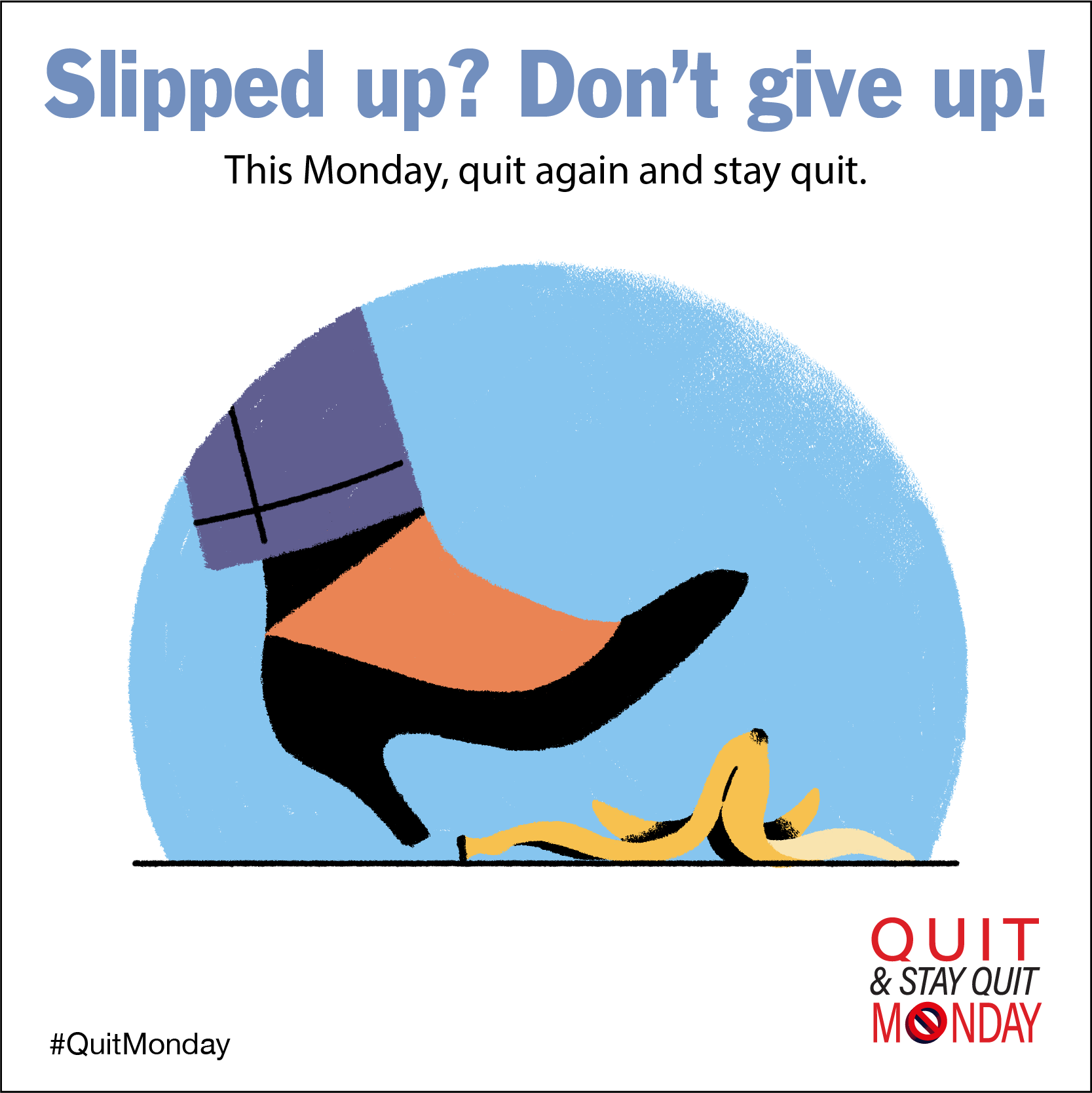
Many people slip up once or twice while trying to quit. This does not mean failure. If you smoke again, don’t stop trying. Reset immediately and continue. Each attempt helps your brain learn new patterns. Remind yourself why you want to quit—health, money, family, confidence, or energy. Consistency eventually leads to permanent success. You are stronger than your cravings.
Conclusion

Quitting smoking is a journey, but with clear steps, strong motivation, and the right support, you can stop tobacco and nicotine for good. Follow these steps consistently, stay patient with yourself, and celebrate every milestone. Your lungs, heart, and future self will thank you.