

Inside the High-Stakes India-EU Trade Negotiations
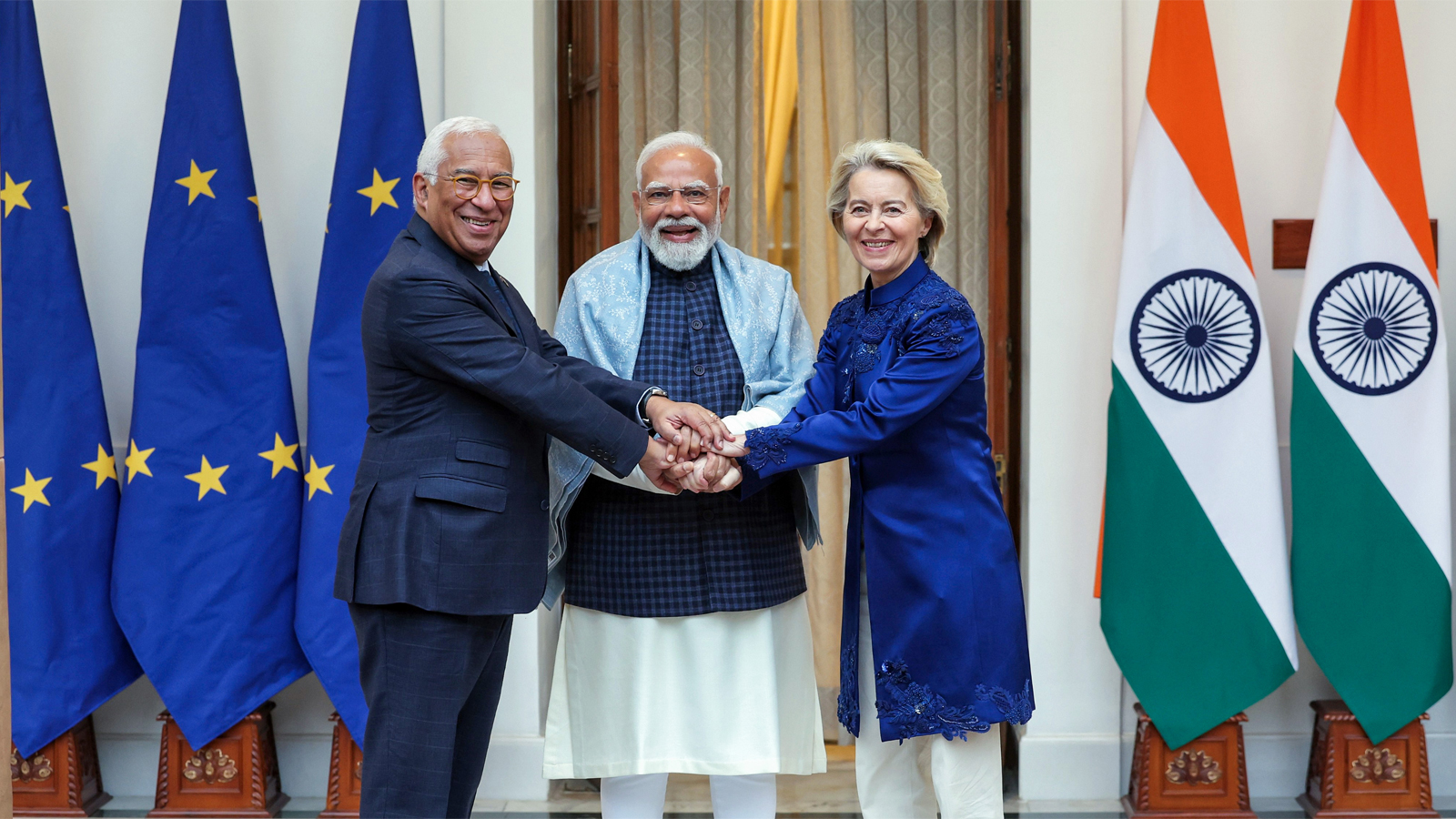
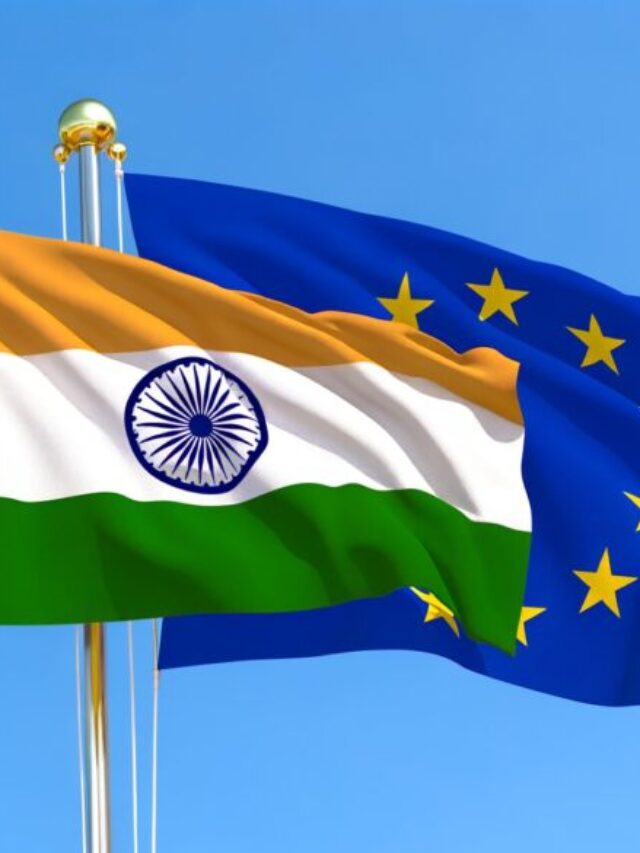
In the frantic world of global diplomacy, few potential agreements carry the weight of the ongoing negotiations between India and the European Union (EU). Dubbed by analysts and insiders as the “Mother of All Deals,” this proposed pact is not merely about lowering tariffs on cars or textiles. It is a massive, complex undertaking aimed at aligning two of the world’s largest democratic markets and reshaping the geopolitical landscape of the 21st century.
The journey toward this agreement has been long, arduous, and filled with technical roadblocks. Yet, in a post-pandemic world defined by supply chain shocks and shifting alliances, the strategic necessity for Brussels and New Delhi to shake hands has never been greater.
Here is a deep dive into why this deal matters, the hurdles standing in its way, and what it means for the global economy.
Why This Deal Represents an Economic Tectonic Shift
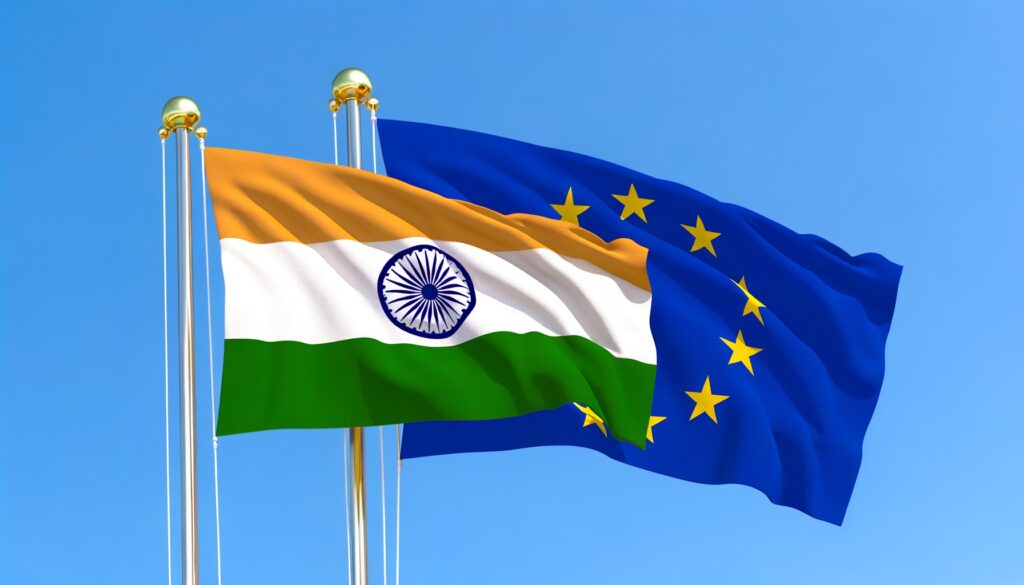
To understand why this is referred to as the “Mother of All Deals,” one must first grasp the sheer scale of the players involved.
The EU is India’s third-largest trading partner, while India is the EU’s tenth-largest. While these numbers are significant, economists argue they are vastly below potential given the size of both economies. A successful Free Trade Agreement (FTA) could unlock billions of dollars in untapped trade in goods and services.
The Quest for “De-Risking” and Supply Chains
Beyond simple economics, the driving force behind renewed urgency is geopolitics. Both India and the EU are actively seeking to diversify their supply chains away from over-reliance on China.
For the EU, the “China+1” strategy makes India—a massive, democratic market with a growing manufacturing base—an indispensable partner in the Indo-Pacific. For India, access to European technology and investment is crucial for its “Make in India” ambitions and its goal of becoming a developed nation by 2047.
The Anatomy of the Negotiation: The Three Pillars
The complexity of the “Mother of All Deals” lies in its structure. It is not a single agreement, but rather three parallel negotiation tracks:
- The Free Trade Agreement (FTA): The core agreement covering trade in goods, services, and digital trade.
- The Investment Protection Agreement (IPA): Designed to protect investors on both sides and establish a mechanism for dispute resolution, crucial for attracting European FDI into India.
- Geographical Indications (GI) Agreement: A framework to protect unique regional products (like Champagne from France or Darjeeling Tea from India) from imitation in each other’s markets.
Progress must be made on all three tracks simultaneously, adding significant friction to the process.
The Major Hurdles: Where the Giants Clash
Despite the high-level political will, the negotiations are bogged down in difficult technical details. The “Mother of All Deals” faces some mother-sized obstacles.
1. The “Green” Wall: CBAM
Perhaps the most contentious issue currently is the EU’s Carbon Border Adjustment Mechanism (CBAM). Effectively a carbon tax on imports, the EU plans to levy charges on energy-intensive goods like steel, cement, and aluminum coming from countries with less stringent climate policies.
India views CBAM as a protectionist non-tariff barrier that could cripple its competitive steel and aluminum sectors. New Delhi has been vocal in demanding exemptions or deeper transitions, arguing that developing nations should not be penalized by developed nations’ climate standards.
2. Market Access: Cars, Wines, and Dairy
Historically, this has been the hardest nut to crack. The EU wants significant tariff reductions to access India’s massive consumer market.
- Automobiles: The EU wants India to slash duties on fully assembled luxury cars, currently taxed as high as 100%.
- Alcohol: European producers of wines, spirits, and Scotch whisky are desperate to lower India’s high import taxes.
- Dairy: The EU seeks access to India’s massive dairy market, a politically sensitive issue in India due to the importance of smallholder farmers.
India, in return, wants greater access to the EU market for its textiles, leather goods, and agriculture, along with easier visa norms for its skilled service professionals (Mode 4 service delivery).
3. Data Privacy and Digital Trade
As two digital superpowers, how data flows between them is crucial. The EU has stringent data privacy laws (GDPR). India is finalizing its own digital architecture. Ensuring these two systems are considered “adequate” by the other side to allow free data flow for IT services is a massive technical and legal challenge.
A Geopolitical Necessity
The negotiations for the India-EU trade deal are a marathon, not a sprint. Talks have stalled before, most notably leading to a suspension in 2013 lasting nearly a decade.
However, the current global environment is different. The shared skepticism of China’s rise, the need for resilient supply chains, and the natural affinity between the world’s largest democracies provide a strong tailwind.
Completing the “Mother of All Deals” will require significant compromises from both Brussels and New Delhi on deeply entrenched positions. If they succeed, it won’t just be a trade agreement; it will be a defining partnership for the future global order.