


Raksha Bandhan 2026: India is a land of diverse religions, cultures and traditions. Every festival carries its own religious, social and emotional significance. One such sacred and heartfelt festival is Raksha Bandhan.
Celebrated on the full moon day of the Hindu month of Shravan, Raksha Bandhan is primarily considered a symbol of the eternal bond of love, trust and affection between brothers and sisters.
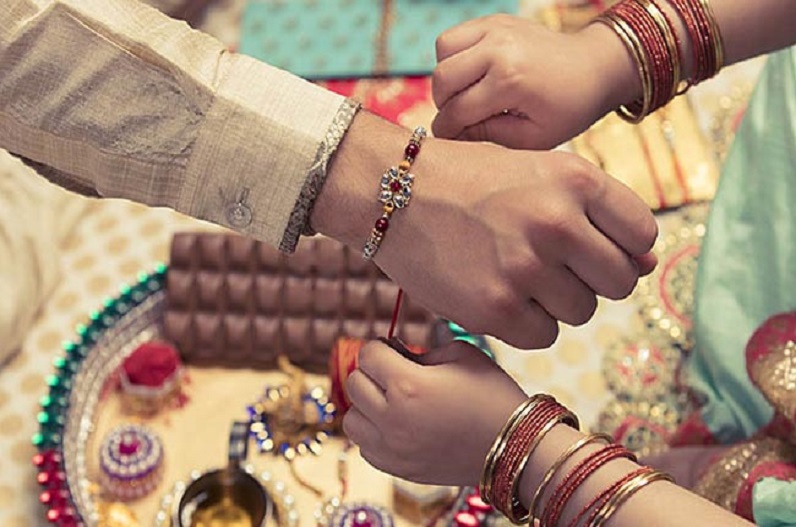
On this special day, sisters tie a sacred rakhi around their brothers’ wrists and pray for their happiness, prosperity, good health and long life. Brothers, in turn, promise to always protect and support their sisters through every phase of life.
A simple rakhi therefore becomes a symbol of love, responsibility and the strong emotional bond shared between siblings.
The significance of Raksha Bandhan extends beyond the relationship between brothers and sisters. In Indian traditions, the sacred thread is also associated with blessings, protection and auspiciousness. Several mythological stories and folk traditions are connected with the festival, including stories associated with Lord Krishna and Draupadi. While these stories may vary across different traditions, their central message remains one of love, faith and standing by one another.
Even in modern times, Raksha Bandhan continues to hold a special place in people’s hearts. Brothers and sisters who live far apart celebrate the occasion through rakhis, gifts, phone calls and video calls. The festival not only celebrates a religious tradition but also brings families closer and strengthens bonds of love and affection.
A small thread of rakhi gives us a beautiful message: True relationships are not strengthened by distance, but by love, trust and affection. This is what makes Raksha Bandhan truly special.
Let us now know when Raksha Bandhan will be celebrated in 2026, the auspicious time for tying rakhi and the traditional puja vidhi.
When is Raksha Bandhan 2026?
Raksha Bandhan 2026 will be celebrated on Friday, August 28, 2026.
The festival is observed on the full moon, or Purnima, of the Shravan month. In 2026, the Purnima Tithi begins on August 27 and ends on the morning of August 28.
Therefore, Raksha Bandhan will be celebrated on Friday, August 28, 2026.
Raksha Bandhan 2026 Auspicious Muhurat
For Ahmedabad, the auspicious time mentioned for tying rakhi on August 28 is:
6:21 AM to 9:48/9:49 AM
According to the Panchang, Bhadra ends before sunrise, so there is no Bhadra-related obstruction during the morning rakhi ceremony.
However, auspicious timings can vary by a few minutes depending on the city and Panchang calculation. Therefore, families may follow the timings given by their local Panchang.
Raksha Bandhan 2026: Purnima Tithi
The Purnima Tithi is expected to begin at around 9:08 AM on August 27, 2026, and end at around 9:48–9:49 AM on August 28, 2026.
Since Raksha Bandhan is observed on the appropriate Purnima day according to the Hindu calendar, the festival will be celebrated on August 28, 2026.
What is special about Raksha Bandhan 2026?
A notable astronomical event is also associated with August 28, 2026. A partial lunar eclipse is expected to occur on this date.
The eclipse will not be visible from India. Therefore, the astronomical event does not mean that people in India will actually see the eclipse in the sky.
Regarding religious practices such as Sutak, traditions and interpretations may differ. Those who follow specific religious customs should refer to their local Panchang or family tradition.
Lunar Eclipse on Raksha Bandhan 2026
According to the astronomical timings mentioned for the event, the partial phase of the lunar eclipse is expected to occur approximately between:
8:03 AM and 11:21 AM IST
The maximum phase is expected at around 9:42 AM.
However, these are global eclipse timings and do not mean that the eclipse will be visible from India. At the relevant time, the Moon will not be above the horizon in India, which is why the eclipse will not be visible from the country.
The eclipse will be visible from some other parts of the world.
Ahmedabad Rakhi-Bandhani Muhurat
Main Rakhi-Bandhani Time
6:21 AM to 9:48/9:49 AM
This period corresponds broadly to the morning period from sunrise until the end of the Purnima Tithi. Families planning to perform the Raksha Bandhan puja in the morning can complete the rakhi ceremony during this period.
Auspicious Choghadiya Timings
According to the Ahmedabad Panchang for August 28:
- Amrit Choghadiya: 6:21 AM to 7:56 AM
- Gulika Kaal: 7:56 AM to 9:31 AM
- Shubh Choghadiya: 9:31 AM to 11:06 AM
Since the Purnima Tithi ends at approximately 9:48–9:49 AM, the main rakhi ceremony should ideally be completed before the Purnima Tithi ends.
Which Time is Most Auspicious?
The Amrit Choghadiya from 6:21 AM to 7:56 AM can be considered a favourable period for tying rakhi.
During this time, the sister can apply tilak to her brother, offer akshat, tie the rakhi and perform the aarti.
If this timing is not convenient, the period from 9:31 AM to approximately 9:48 AM may also be considered, keeping the end of the Purnima Tithi in mind.
Because this second window is relatively short, completing the ceremony during the earlier morning period may be more convenient.
Which Time Should Be Avoided?
According to the Ahmedabad Panchang, Gulika Kaal is from 7:56 AM to 9:31 AM.
Families who give importance to Choghadiya may choose to avoid this period and perform the rakhi ceremony during the Amrit Choghadiya or before the Purnima Tithi ends.
Rahu Kaal is approximately from 11:06 AM to 12:41 PM. However, the Purnima Tithi will already have ended by then, making the morning period more relevant for the main Raksha Bandhan ceremony.
Raksha Bandhan 2026: Important Timings at a Glance
| Details | Time |
|---|---|
| Raksha Bandhan | Friday, August 28, 2026 |
| Ahmedabad Sunrise | 6:21 AM |
| Rakhi-Bandhani Time | 6:21 AM – 9:48/9:49 AM |
| Amrit Choghadiya | 6:21 AM – 7:56 AM |
| Gulika Kaal | 7:56 AM – 9:31 AM |
| Shubh Choghadiya | 9:31 AM – 11:06 AM |
| Purnima Tithi Ends | Approximately 9:49 AM |
Note: Timings may vary by one or two minutes depending on the Panchang and calculation method. For religious rituals, it is advisable to give preference to the local Ahmedabad Panchang.
What to Do Before Tying the Rakhi?
On Raksha Bandhan morning, take a bath and wear clean clothes. Then prepare the puja thali.
The puja thali can traditionally include:
- Rakhi
- Kumkum or sandalwood paste
- Akshat (uncooked rice)
- Diya
- Incense sticks
- Flowers
- Sweets
- Aarti thali
- Coconut or other prasad
Traditionally, the brother is seated on a wooden platform or a clean seat before the ceremony begins.
Simple Rakhi-Tying Ritual
First, apply kumkum or sandalwood tilak to the brother’s forehead.
Then apply akshat (rice grains) over the tilak.
Next, tie the rakhi around the right wrist of the brother. While tying the rakhi, the sister prays for her brother’s happiness, good health, long life and prosperity.
After tying the rakhi, perform the aarti and offer sweets to the brother.
The brother then gives his sister a gift according to his wishes and promises to support and protect her throughout life.
Raksha Bandhan 2026: How to Perform the Puja Vidhi?
The Raksha Bandhan puja can be performed in a simple and traditional manner.
First, remember Lord Ganesha and your family deity or Ishta Devata and light a diya. Offer flowers and prasad to the deity.
After this, seat the brother for the rakhi ceremony.
Apply tilak to his forehead, place akshat over the tilak and tie the rakhi around his right wrist.
During the ceremony, you may offer a heartfelt prayer:
“May God always keep my brother happy, healthy and prosperous. May He protect him from every difficulty and bless him with a long and fulfilling life.”
After tying the rakhi, perform aarti and offer sweets.
Which Hand Should the Rakhi Be Tied On?
According to the traditional practice, the sister ties the rakhi on the right wrist of her brother.
After tying the rakhi, the sister performs aarti and offers sweets to her brother.
Significance of Raksha Bandhan
Raksha Bandhan is much more than simply tying a rakhi. It represents the love, trust and affection shared between brothers and sisters.
On this day, sisters pray for the well-being and happiness of their brothers, while brothers promise to stand by their sisters and support them through life’s challenges.
Although traditions have evolved with time, the emotional significance of Raksha Bandhan remains strong.
For families, it is an opportunity to come together, exchange gifts, share sweets and celebrate the beautiful bond between siblings.
The sacred thread of rakhi reminds us that relationships become stronger through love, trust, care and mutual respect.
Raksha Bandhan 2026 is therefore not just a festival—it is a celebration of family, affection and the lifelong bond between brothers and sisters.
Note: Religious timings can vary according to location, Panchang and calculation method. Readers are advised to confirm the final Muhurat with their local Panchang or family priest before performing time-sensitive rituals.
