

Dev Uthani Ekadashi 2026: Ekadashi holds a special significance in Hinduism. Among all the 24 Ekadashis observed throughout the year, Dev Uthani Ekadashi is considered one of the most auspicious and important. The Ekadashi that falls on the Shukla Paksha of the Hindu month of Kartik is known as Dev Uthani Ekadashi, Devotthan Ekadashi or Prabodhini Ekadashi.
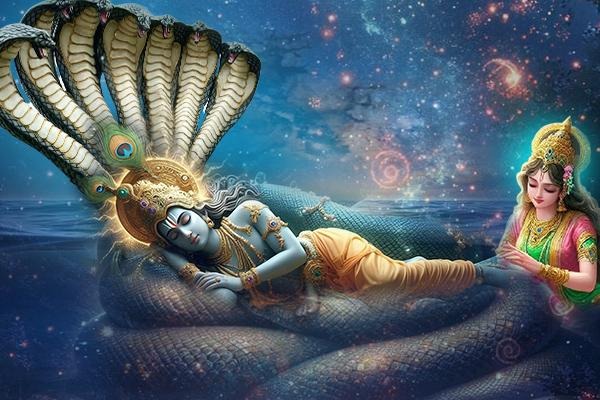
According to religious beliefs, Lord Vishnu awakens from his four-month-long cosmic sleep (Yog Nidra) on this day. With this, the Chaturmas period comes to an end, marking the beginning of auspicious activities such as weddings, housewarming ceremonies and other religious functions.
In 2026, devotees will once again celebrate Dev Uthani Ekadashi with great devotion. On this day, Lord Vishnu and Goddess Lakshmi are worshipped. In many places, the traditional ceremony of Tulsi Vivah is also performed. It is believed that observing a fast and worshipping Lord Vishnu with complete devotion brings divine blessings, happiness and prosperity.
Let’s find out when Dev Uthani Ekadashi will be celebrated in 2026, the auspicious puja timings, how to observe the fast, which vrat katha to read and what precautions devotees should take on this sacred day.
When Is Dev Uthani Ekadashi 2026?
According to the Hindu calendar, Dev Uthani Ekadashi is observed on the Ekadashi Tithi of Kartik Shukla Paksha. In 2026, the Ekadashi Tithi falls on November 20. According to the general Smarta tradition, the fast will be observed on Friday, November 20. However, according to Vaishnava and ISKCON calendars, the fasting date is November 21, Saturday.
Important Details About Dev Uthani Ekadashi 2026:
- Ekadashi Tithi: Kartik Shukla Ekadashi
- General fasting date: Friday, November 20, 2026
- Vaishnava/ISKCON fasting date: Saturday, November 21, 2026
- Parana according to the general tradition: November 21
- Parana according to the Vaishnava tradition: November 22
- Main deities: Lord Vishnu and Goddess Lakshmi
Please note that the fasting date and Parana timings may differ depending on the Panchang and the Smarta or Vaishnava tradition. Devotees should follow their local Panchang or the traditions followed by their temple.
Auspicious Puja Muhurat for Dev Uthani Ekadashi
Worshipping Lord Vishnu and performing religious rituals on Dev Uthani Ekadashi hold special significance. Devotees should take a bath early in the morning, wear clean clothes and take a vow to observe the fast.
Offering yellow flowers, fruits, Tulsi leaves and yellow clothes to Lord Vishnu is considered auspicious.
According to the Panchang, the Ekadashi Tithi in 2026 will begin at approximately 7:15 AM on November 20 and end at approximately 6:31 AM on November 21. These timings are based on the Vaishnava Panchang. There may be slight variations depending on the city and local calendar.
Morning is considered an auspicious time for worship. Devotees observing the fast should check the local sunrise and Ekadashi Tithi timings before performing puja and breaking their fast.
Dev Uthani Ekadashi 2026: Complete List of Auspicious and Inauspicious Timings from Morning to Night
November 20, 2026, Friday
Sunrise: 6:52 AM
Sunset: 5:56 PM
Ekadashi Tithi: November 20, 7:16 AM to November 21, 6:32 AM.
1. Auspicious Timings of the Day
| Muhurat | Timing |
|---|---|
| Brahma Muhurat | 5:09 AM – 6:01 AM |
| Abhijit Muhurat | 12:02 PM – 12:46 PM |
| Vijay Muhurat | 2:14 PM – 2:59 PM |
| Godhuli Muhurat | 5:32 PM – 6:20 PM |
| Pradosh Kaal | 5:56 PM – 8:31 PM |
| Nishita Muhurat | 11:58 PM – 12:50 AM (November 21) |
| Amrit Kaal | 2:04 AM – 3:40 AM (November 21) |
2. Daytime Choghadiya Timings
| Choghadiya | Timing | Result |
|---|---|---|
| Char | 6:52 AM – 8:15 AM | Auspicious |
| Labh | 8:15 AM – 9:38 AM | Auspicious |
| Amrit | 9:38 AM – 11:01 AM | Highly Auspicious |
| Kaal | 11:01 AM – 12:24 PM | Inauspicious |
| Shubh | 12:24 PM – 1:47 PM | Auspicious |
| Rog | 1:47 PM – 3:10 PM | Inauspicious |
| Udveg | 3:10 PM – 4:33 PM | Inauspicious |
| Char | 4:33 PM – 5:56 PM | Auspicious |
3. Nighttime Choghadiya Timings
| Choghadiya | Timing | Result |
|---|---|---|
| Rog | 5:56 PM – 7:33 PM | Inauspicious |
| Kaal | 7:33 PM – 9:10 PM | Inauspicious |
| Labh | 9:10 PM – 10:47 PM | Auspicious |
| Udveg | 10:47 PM – 12:24 AM | Inauspicious |
| Shubh | 12:24 AM – 2:01 AM | Auspicious |
| Amrit | 2:01 AM – 3:38 AM | Highly Auspicious |
| Char | 3:38 AM – 5:15 AM | Auspicious |
| Rog | 5:15 AM – 6:52 AM | Inauspicious |
4. Inauspicious Timings of the Day
| Inauspicious Period | Timing |
|---|---|
| Gulika Kaal | 8:15 AM – 9:38 AM |
| Rahu Kaal | 11:01 AM – 12:24 PM |
| Yamaganda | 3:10 PM – 4:33 PM |
| Dur Muhurat | 9:05 AM – 9:49 AM |
| Varjyam Kaal | 4:30 PM – 6:06 PM |
5. Best Time to Awaken Lord Vishnu
On the evening of Dev Uthani Ekadashi, devotees follow the tradition of awakening Lord Vishnu from his cosmic sleep. The Pradosh Kaal, from 5:56 PM to 8:31 PM, is considered the appropriate time for this ritual.
During this period, devotees should:
- Light a diya in front of Lord Vishnu.
- Blow a conch and ring bells.
- Perform Lord Vishnu’s Aarti.
- Worship Goddess Tulsi.
- Chant Vishnu mantras and devotional bhajans.
6. When Should You Break the Ekadashi Fast?
According to the general Smarta tradition, devotees observing the fast on November 20 can break their fast on November 21 between 1:31 PM and 3:43 PM.
According to the Vaishnava tradition, the fast will be observed on November 21, and Parana may take place on November 22.
Note: All the above timings are based on the local time for Surat, Gujarat. Timings may vary according to different Panchangs and local calculations. Make sure to verify them with the local Panchang before publication.
Why Is Dev Uthani Ekadashi Celebrated?
According to Hindu mythology, Lord Vishnu goes into a state of Yog Nidra (cosmic sleep) on Devshayani Ekadashi, which falls during the Shukla Paksha of the Ashadha month. This four-month period is known as Chaturmas. During this time, weddings and several other auspicious ceremonies are generally avoided.
After four months, Lord Vishnu awakens on the Ekadashi of Kartik Shukla Paksha. This is why the day is known as Dev Uthani Ekadashi.
It is believed that with the awakening of Lord Vishnu, auspicious activities can once again begin in the world. This is why weddings, housewarming ceremonies and other religious functions are organised after Dev Uthani Ekadashi.
Dev Uthani Ekadashi Puja Vidhi
Performing religious rituals and worshipping Lord Vishnu according to traditional customs is considered especially auspicious on Dev Uthani Ekadashi. Devotees worship Lord Vishnu and Goddess Lakshmi and pray for happiness, peace and prosperity.
Here is a simple step-by-step puja vidhi:
- Wake up early in the morning, take a bath and wear clean clothes.
- Clean the पूजा area and place an idol or picture of Lord Vishnu and Goddess Lakshmi.
- Light a diya in front of the deities and take a vow to observe the Ekadashi fast.
- Offer yellow flowers, fruits, sandalwood paste and Tulsi leaves to Lord Vishnu.
- Chant Vishnu Sahasranama, Vishnu Chalisa or other sacred mantras dedicated to Lord Vishnu.
- Read or listen to the Dev Uthani Ekadashi Vrat Katha.
- In the evening, light diyas in the courtyard and perform Lord Vishnu’s Aarti.
- Break the fast on the following day, Dwadashi, according to the prescribed Parana timing.
In many places, devotees also follow the tradition of symbolically awakening Lord Vishnu. During this ritual, devotees blow conches, ring bells and sing devotional songs to welcome the Lord.
Dev Uthani Ekadashi Vrat Katha
According to a popular mythological story, Lord Vishnu once granted King Bali a boon and agreed to reside with him in the netherworld, known as Patal Lok. After Lord Vishnu went to Patal Lok, Goddess Lakshmi became worried. She wanted Lord Vishnu to return.
Goddess Lakshmi then came up with a plan. She approached King Bali and accepted him as her brother. She requested King Bali to allow Lord Vishnu to return with her.
King Bali agreed to Goddess Lakshmi’s request and permitted Lord Vishnu to return.
This episode is associated with the traditional beliefs surrounding Lord Vishnu’s return.
According to another popular belief, Lord Vishnu goes into Yog Nidra on Ashadha Shukla Ekadashi and awakens on Kartik Shukla Ekadashi. This is why devotees celebrate the awakening of Lord Vishnu on Dev Uthani Ekadashi.
It is believed that listening to the Vrat Katha and worshipping Lord Vishnu on this day brings spiritual merit and divine blessings.
Significance of Tulsi Vivah on Dev Uthani Ekadashi
On Dev Uthani Ekadashi, many households and temples organise the traditional ceremony of Tulsi Vivah. In this ritual, Goddess Tulsi is ceremonially married to Lord Shaligram. Lord Shaligram is considered a form of Lord Vishnu.
During Tulsi Vivah, the Tulsi plant is beautifully decorated. Lord Shaligram and Goddess Tulsi are worshipped, followed by the traditional wedding rituals.
According to religious beliefs, performing or participating in Tulsi Vivah brings happiness and prosperity to the household. It is also believed to bring harmony to married life and divine blessings to the entire family.
In many regions, Tulsi Vivah is celebrated on the same day as Dev Uthani Ekadashi. However, in some places, according to local traditions, the ceremony is performed on Dwadashi Tithi.
What Should You Eat on Dev Uthani Ekadashi?
Food restrictions are an important part of the Ekadashi fast. Many devotees observe a Nirjala fast, which means avoiding food and water, while others complete the fast by consuming fruits and permitted fasting foods.
Devotees can choose their food according to their health and physical capacity.
Foods that can be consumed during the fast include:
- Fresh fruits such as bananas, apples, pomegranates and papayas.
- Milk and milk-based products.
- Makhana (fox nuts) and peanuts.
- Sabudana khichdi.
- Roti made from water chestnut flour (Singhare Ka Atta).
- Dishes prepared using buckwheat flour (Kuttu Ka Atta), according to one’s tradition.
Traditionally, devotees avoid grains, rice, wheat, pulses and regular table salt during the fast. Rock salt (Sendha Namak) is commonly used instead.
What Should You Avoid on Dev Uthani Ekadashi?
According to religious beliefs, devotees should follow certain rules and maintain discipline on Ekadashi.
- Avoid consuming rice and grains on this day.
- People observing the fast should avoid anger and unnecessary arguments.
- Do not insult or disrespect anyone.
- Stay away from negative thoughts and remember Lord Vishnu.
- Do not disrespect the Tulsi plant or its leaves.
- Help people who are in need.
- Always consider your physical health and capacity while observing the fast.
Auspicious Things to Do on Dev Uthani Ekadashi
Along with prayers and worship, charity and good deeds are also considered important on Dev Uthani Ekadashi. Donating food, clothes and fruits to needy people is regarded as auspicious.
Offering yellow-coloured items to Lord Vishnu is also considered beneficial. Devotees can visit temples, seek the blessings of the Lord and chant Vishnu mantras.
Lord Vishnu Mantra:
Om Namo Bhagavate Vasudevaya.
Watch the Lord Vishnu Mantra Video on YouTube
Chanting this mantra with devotion is believed to bring peace of mind and help devotees seek the blessings of Lord Vishnu.
Religious Significance of Dev Uthani Ekadashi
Dev Uthani Ekadashi is considered a symbol of new beginnings in Hinduism. With the awakening of Lord Vishnu, the Chaturmas period comes to an end. After this day, weddings, housewarming ceremonies and other auspicious events begin again.
This festival reminds devotees of the importance of devotion, self-discipline, service and good deeds. People observing the fast worship Lord Vishnu and pray for the happiness, well-being and prosperity of their families.
According to religious beliefs, devotees who observe Dev Uthani Ekadashi with faith and dedication receive the blessings of Lord Vishnu.
Conclusion
Dev Uthani Ekadashi 2026 is one of the most significant fasting festivals in Hinduism. Worshipping Lord Vishnu, listening to the Vrat Katha, performing Tulsi Vivah and engaging in charitable activities are important traditions associated with this day.
According to the general Smarta tradition, the fast will be observed on November 20, while the Vaishnava tradition will observe it on November 21. Devotees should follow their respective religious traditions and local Panchang while deciding the fasting date and Parana timings.
May Lord Vishnu bless everyone with happiness, peace, prosperity and good fortune.
