


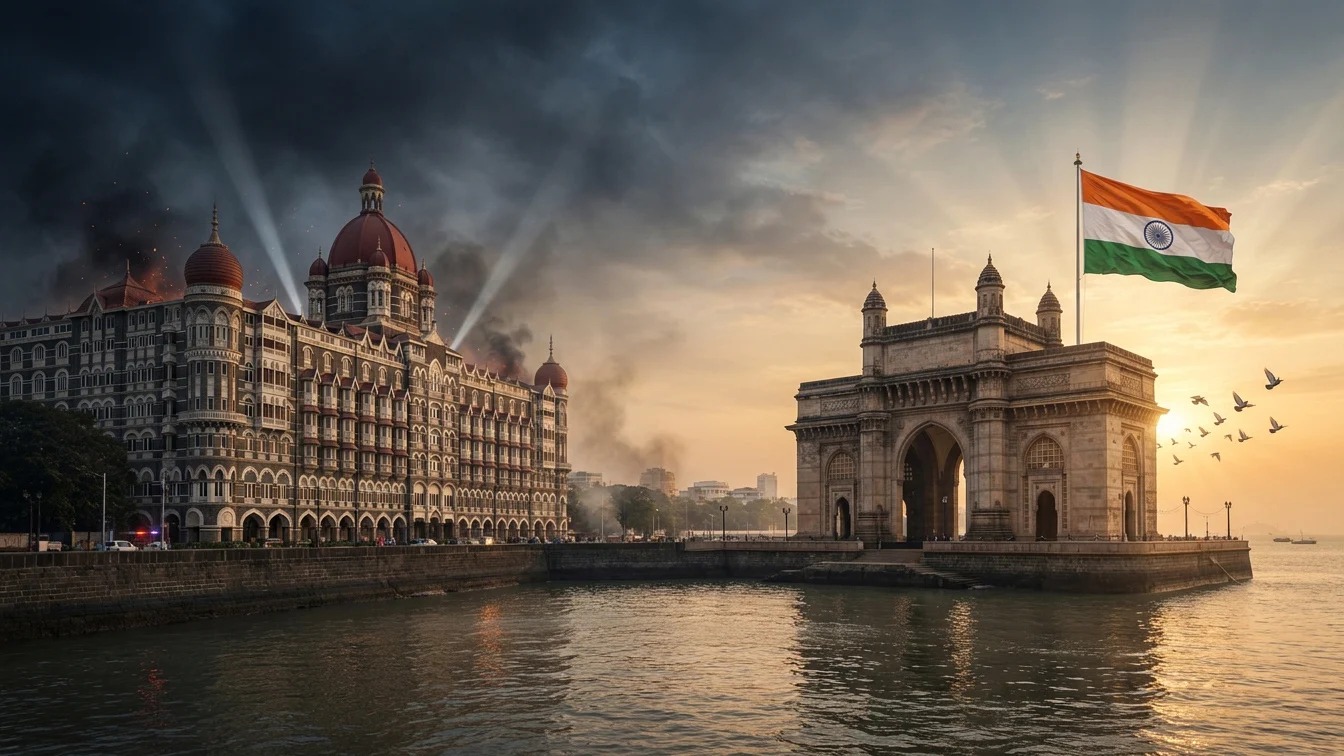
26/11 Mumbai Attack: November 26, 2008, is a date that will forever remain one of the darkest chapters in Indian history. On that night, the streets of Mumbai suddenly echoed with gunfire, explosions, and cries for help. India’s financial capital became the target of one of the most shocking terrorist attacks in the country’s history.
From a busy railway station to some of Mumbai’s most famous hotels, several important locations were attacked by heavily armed terrorists. The incident shocked the entire nation and attracted international attention.
The 26/11 Mumbai terror attack was not just an attack on one city. It was an attack on India’s security, sovereignty, and peaceful way of life. A total of 166 innocent people lost their lives, while hundreds of others were injured. Indian citizens, foreign nationals, police officers, hotel employees, and security personnel became victims of this horrific incident.
However, even during those terrifying hours, Mumbai Police officers, NSG commandos, firefighters, doctors, hotel employees, and ordinary citizens demonstrated extraordinary courage.
The attack continued for nearly 60 hours, bringing Mumbai to a standstill. Indian security forces worked tirelessly to rescue hostages and eliminate the terrorists.
Even today, the memories of that tragic night remind us of the courage of India’s heroes and the importance of national security.
Let us explore the complete story of the 26/11 Mumbai attack, the terrorist conspiracy, the brave officers who sacrificed their lives, Operation Black Tornado, and the major changes introduced in India’s security system after the incident.
November 26, 2008: How Did the Mumbai Terror Attack Begin?
The evening of November 26, 2008, began like any ordinary day in Mumbai. People were returning from work, railway stations were crowded with passengers, and hotels were welcoming visitors from different parts of the world.
Nobody could have imagined that the city was about to face one of the most devastating terrorist attacks in modern Indian history.
Ten heavily armed terrorists travelled from Pakistan to Mumbai through the Arabian Sea. During their journey, they hijacked an Indian fishing vessel and eventually reached the Mumbai coastline using smaller boats.
After entering the city, the terrorists divided themselves into groups and moved towards different locations.
They carried automatic weapons, ammunition, and explosives. Within a short time, gunfire and explosions were reported from several parts of Mumbai.
The major locations targeted during the attack included:
- Chhatrapati Shivaji Terminus (CST) Railway Station
- Taj Mahal Palace Hotel
- Oberoi Trident Hotel
- Nariman House, also known as Chabad House
- Leopold Cafe
- Cama Hospital and surrounding areas
These coordinated attacks created panic throughout Mumbai and attracted international attention.
Chhatrapati Shivaji Terminus: Innocent Passengers Caught in a Deadly Attack
One of the most horrifying scenes of the 26/11 attack unfolded at Chhatrapati Shivaji Terminus, one of Mumbai’s busiest railway stations.
Thousands of passengers use this railway station every day. On that evening, people were waiting for trains, returning home, or preparing to begin their journeys.
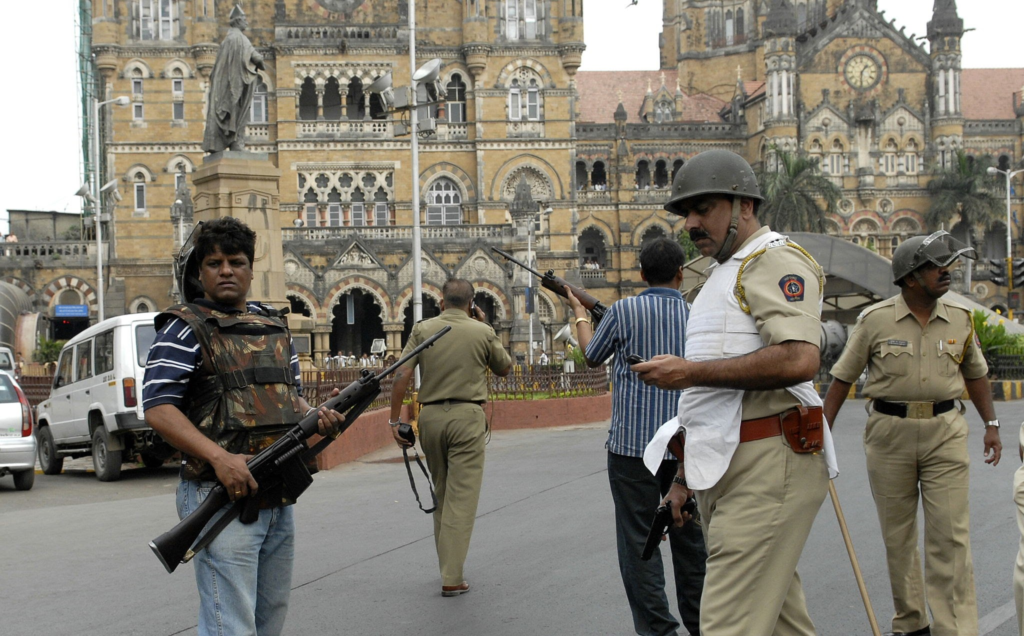
Terrorists Ajmal Amir Kasab and Abu Ismail entered the station and opened indiscriminate fire on innocent passengers.
People had very little time to react. Within moments, the station became a scene of panic, confusion, and tragedy.
Several innocent people lost their lives, while many others were injured. Passengers desperately searched for exits and safe places to hide.
Mumbai Police personnel immediately began responding to the attack. Officers risked their own lives to protect civilians and prevent further casualties.
The attack at CST became one of the most disturbing reminders of how terrorism targets ordinary people going about their daily lives.
Taj Mahal Palace and Oberoi Trident Hotels Become Terrorist Targets
The iconic Taj Mahal Palace Hotel was among the main targets of the terrorists.
The hotel was hosting a large number of Indian and international guests when armed terrorists entered the building and began firing.
Several guests and employees became trapped inside. The terrorists moved through different sections of the hotel, creating a dangerous hostage situation.
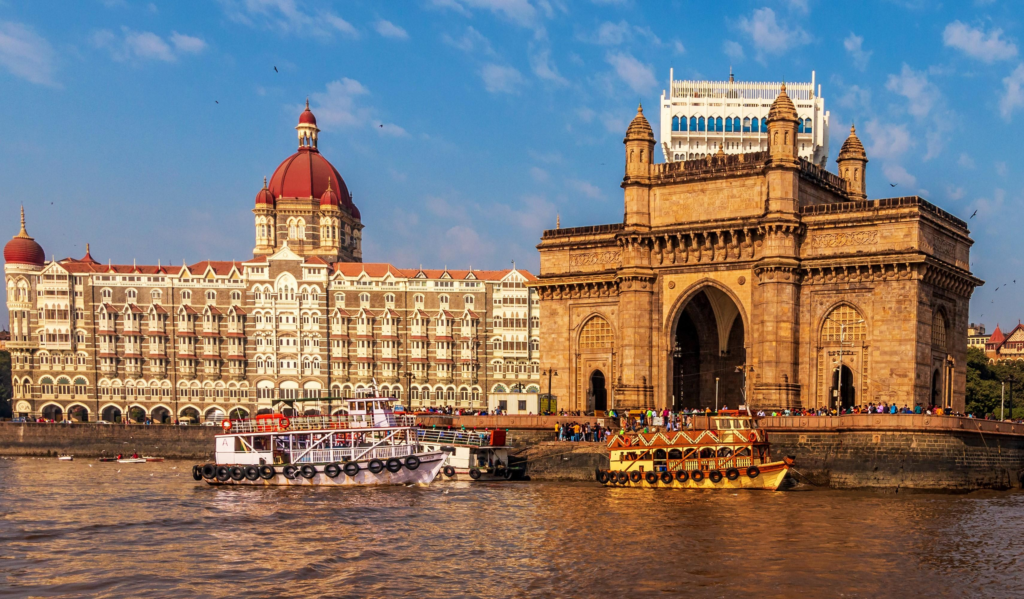
Fire broke out in parts of the building, and explosions added to the chaos. Images of smoke rising from the historic Taj Hotel shocked people across the world.
The Oberoi Trident Hotel was also attacked. Guests and employees were trapped inside as terrorists continued their operations.
Indian security forces faced an extremely difficult challenge. They had to locate the terrorists, rescue innocent people, and carefully secure different sections of the buildings.
Several hotel employees also showed remarkable bravery. Instead of abandoning guests, many employees helped people find safe rooms, guided them away from danger, and assisted in rescue efforts.
Their courage became an important part of the 26/11 story.
Attack on Nariman House: A Hostage Crisis That Shocked the World
Nariman House, also known as Chabad House, was another major target during the Mumbai attacks.
Located in the Colaba area, the building served as a Jewish religious and cultural centre. Several people were present inside when terrorists entered and took hostages.
The situation became extremely serious as security forces received information about people trapped inside the building.
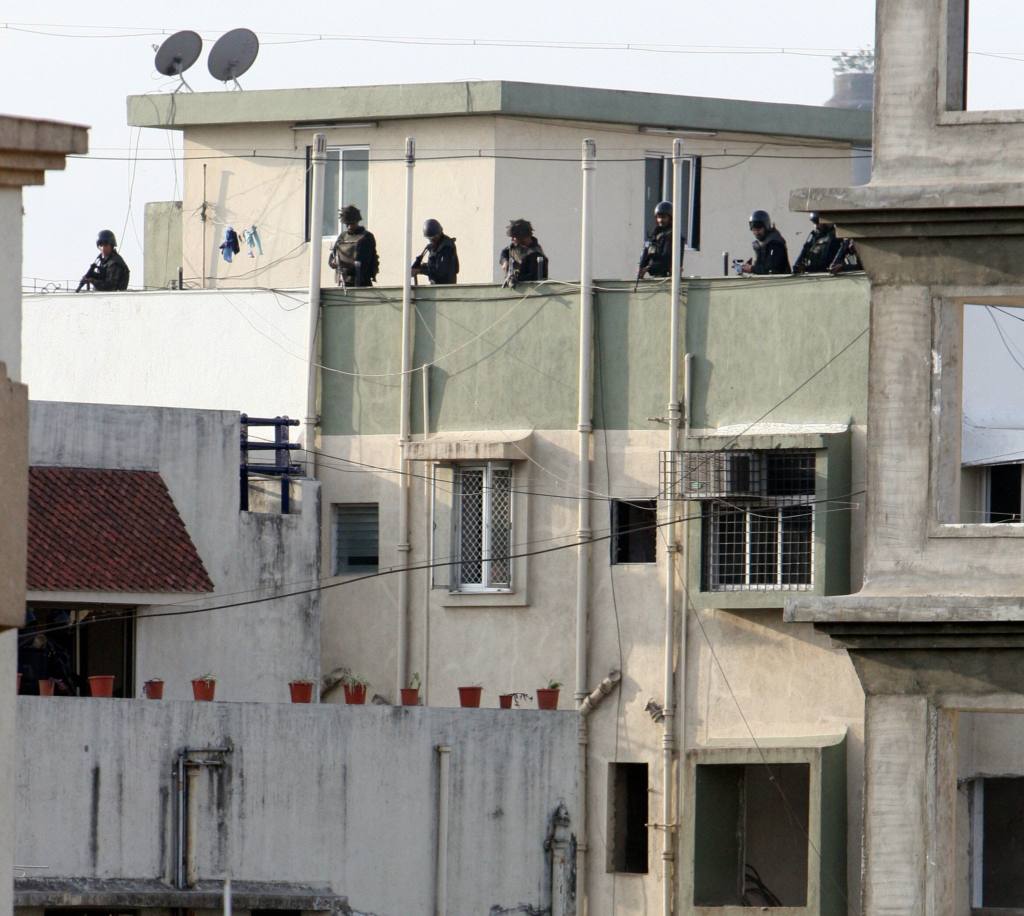
The National Security Guard (NSG) launched a special operation to eliminate the terrorists and rescue the hostages.
NSG commandos reached the building using helicopters and carried out a carefully planned operation.
The attack resulted in the deaths of several innocent people. Rabbi Gavriel Holtzberg and his wife Rivka Holtzberg were among those killed.
Their young son, Moshe, survived the attack after being rescued by his nanny, Sandra Samuel.
The incident attracted international attention and highlighted how the Mumbai attack affected people from different nationalities and communities.
The Brave Mumbai Police Officers Who Sacrificed Their Lives
One of the most unforgettable aspects of the 26/11 Mumbai attack was the extraordinary courage displayed by Mumbai Police officers.
Several senior officers and police personnel sacrificed their lives while fighting the terrorists and protecting innocent citizens.
Some of their names will always remain remembered in Indian history.
1. Hemant Karkare
Hemant Karkare was the chief of the Maharashtra Anti-Terrorism Squad (ATS). During the Mumbai attacks, he led efforts to confront the terrorists.
Unfortunately, he was killed while responding to the attack.
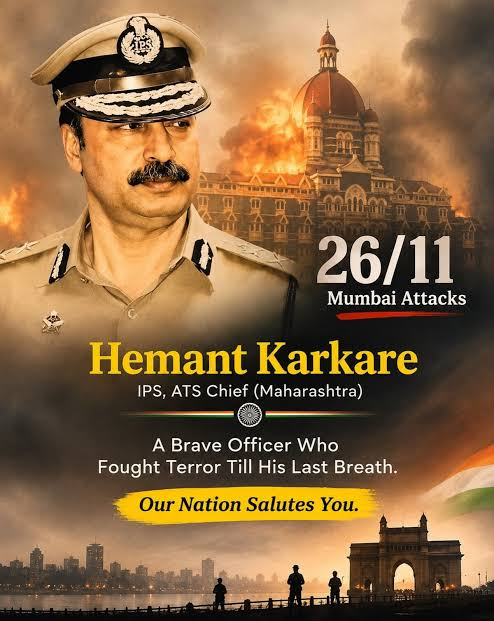
His sacrifice remains a symbol of courage and dedication to the nation.
2. Ashok Kamte
Ashok Kamte was an Additional Commissioner of Mumbai Police. He was among the senior police officers who responded to the terrorist attacks.
He fought against the terrorists and lost his life while performing his duty.
3. Vijay Salaskar
Vijay Salaskar was a well-known Mumbai Police officer and encounter specialist. He was also among the brave officers who confronted the terrorists on that tragic night.

He sacrificed his life while defending the city.
4. Tukaram Omble
Assistant Sub-Inspector Tukaram Omble played a crucial role in capturing terrorist Ajmal Kasab alive.
Despite being unarmed against a heavily armed terrorist, Omble showed extraordinary bravery. He helped overpower Kasab but was fatally injured during the struggle.
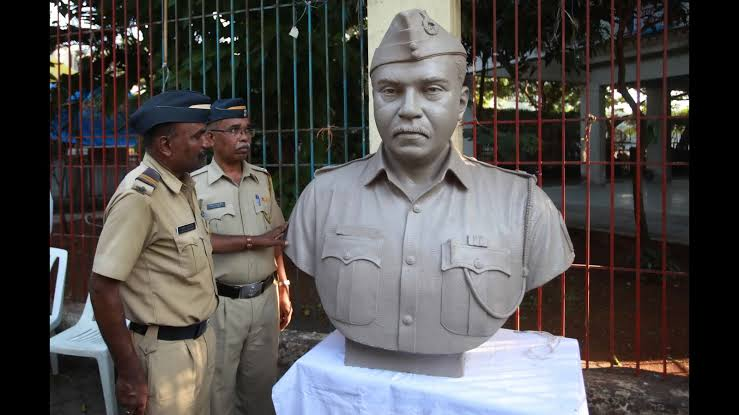
His sacrifice provided investigators with an opportunity to obtain crucial information about the terrorist operation.
These officers demonstrated that protecting the country and its citizens was more important to them than their own lives.
Operation Black Tornado: The Historic Mission of NSG Commandos
As the terrorist attacks continued across Mumbai, India’s elite counter-terrorism force was called into action.
The National Security Guard (NSG), popularly known as the Black Cats, was deployed to Mumbai to eliminate the terrorists and rescue hostages.
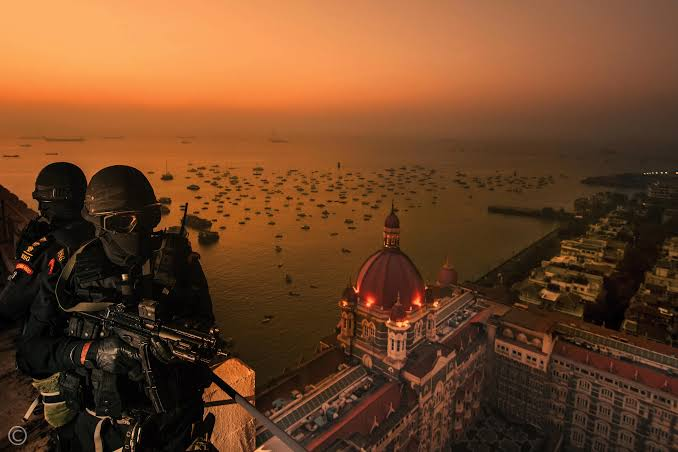
NSG commandos were flown from their base near Manesar in Haryana to Mumbai. They were assigned the challenging task of conducting operations at the Taj Mahal Palace Hotel, Oberoi Trident Hotel, and Nariman House.
The operation was famously known as Operation Black Tornado.
The commandos faced extremely difficult conditions. They had to search large buildings, identify terrorist positions, rescue trapped civilians, and neutralise the attackers.
The operation required careful planning, coordination, and immense courage.
Major Sandeep Unnikrishnan: A Hero Who Became a National Inspiration
One of the most remembered heroes of the 26/11 attack was Major Sandeep Unnikrishnan.
He was an NSG officer who participated in the operation to clear the Taj Mahal Palace Hotel of terrorists.
During the operation, he helped his injured fellow commando and continued pursuing the terrorists. Unfortunately, he was killed while carrying out his mission.
His courage, leadership, and sacrifice became an inspiration for millions of Indians.
He was posthumously awarded the Ashoka Chakra, India’s highest peacetime gallantry award.
After nearly 60 hours of terror, the security forces finally eliminated all the terrorists involved in the attacks. The operation came to an end on the morning of November 29, 2008.
The bravery of NSG commandos and other security personnel played a crucial role in ending the nightmare that had gripped Mumbai.
166 Lives Lost: A Tragedy That Changed Thousands of Families Forever
The 26/11 Mumbai attack was one of the deadliest terrorist incidents in India’s history.
A total of 166 people lost their lives, while hundreds of others were injured.
The victims included Indian citizens, foreign nationals, police officers, security personnel, hotel employees, and ordinary people.
For many families, November 26 became a day that changed their lives forever.
Some children lost their parents. Some parents lost their sons and daughters. Many families lost their loved ones without getting an opportunity to say goodbye.
The tragedy was not limited to the locations directly attacked. It affected the emotional and psychological well-being of people across Mumbai and the entire country.
Hotel employees also demonstrated extraordinary humanity during the crisis. Many continued helping guests even when their own lives were in danger.
Their efforts helped several people escape from the hotels safely.
The 26/11 attack reminds us that terrorism is not just about numbers or headlines. Behind every victim is a family, a story, and a lifetime of memories.
Ajmal Kasab’s Arrest and the Final Legal Verdict
During the Mumbai attacks, security forces killed nine of the ten terrorists. However, one terrorist, Ajmal Amir Kasab, was captured alive.
His arrest became one of the most important developments in the investigation.
Kasab was captured by Mumbai Police after a confrontation in which Assistant Sub-Inspector Tukaram Omble displayed extraordinary courage.
His interrogation and the evidence collected during the investigation helped reveal important details about the planning and execution of the terrorist attacks.
A criminal trial was conducted against him. The court found him guilty of murder, waging war against India, and several other serious offences.
The Supreme Court of India upheld his death sentence.
On November 21, 2012, Ajmal Kasab was executed at Yerwada Central Jail in Pune.
His arrest and subsequent trial played an important role in establishing the details of the terrorist conspiracy.
The case also highlighted the importance of strong investigations, reliable evidence, and an effective judicial system in dealing with terrorism.
How Did India Strengthen Its Security After the 26/11 Attack?
The Mumbai terror attack exposed several weaknesses in India’s security arrangements.
The terrorists had entered the country through the sea, attacked multiple locations simultaneously, and continued their operations for nearly three days.
The incident made it clear that India needed stronger coastal security, better intelligence coordination, faster emergency responses, and improved counter-terrorism capabilities.
Following the attack, the Indian government introduced several important security measures.
1. Formation of the National Investigation Agency (NIA)
One of the major developments after the 26/11 attack was the establishment of the National Investigation Agency (NIA).
The NIA was created under the NIA Act, 2008, to investigate terrorism-related and other specified national security offences.
Its purpose was to strengthen India’s ability to investigate serious crimes that could threaten national security.
2. Strengthening Coastal Security
Since the terrorists entered Mumbai through the Arabian Sea, coastal security became a major national priority.
The Indian Navy, Indian Coast Guard, and coastal police were assigned important responsibilities in strengthening maritime surveillance.
Several measures were introduced to improve monitoring of coastal areas, fishing vessels, and maritime movements.
The aim was to identify suspicious activities and prevent terrorists from using sea routes to enter the country.
3. Establishment of Regional NSG Hubs
Before the 26/11 attack, NSG commandos had to travel from their main base near Delhi to Mumbai.
The time required to transport specialised personnel highlighted the need for regional deployment centres.
Following the attack, NSG regional hubs were established in Mumbai, Chennai, Hyderabad, and Kolkata.
These centres were intended to improve response times during major terrorist incidents and other emergencies.
4. Better Coordination Between Intelligence Agencies
The attack also highlighted the importance of sharing intelligence information quickly.
Indian security agencies focused on improving communication and coordination so that important information about possible terrorist threats could be shared more effectively.
Better cooperation between intelligence agencies, police departments, and other security organisations became an important part of the national security strategy.
5. Strengthening Anti-Terrorism Laws
India also strengthened its legal framework to deal with terrorism-related offences.
The Unlawful Activities (Prevention) Act (UAPA) was amended after the attack.
These changes aimed to improve the country’s ability to investigate terrorist activities, take legal action against those involved, and prevent threats to national security.
The 26/11 attack became a turning point in India’s approach towards counter-terrorism and national security.
Remembering the Martyrs of 26/11: Heroes Who Will Never Be Forgotten
November 26 is not only a day to remember a tragic terrorist attack. It is also an occasion to honour the people who sacrificed their lives while saving others.
Major Sandeep Unnikrishnan, Hemant Karkare, Ashok Kamte, Vijay Salaskar, and Tukaram Omble are among the brave heroes whose names will always remain in the memories of Indians.
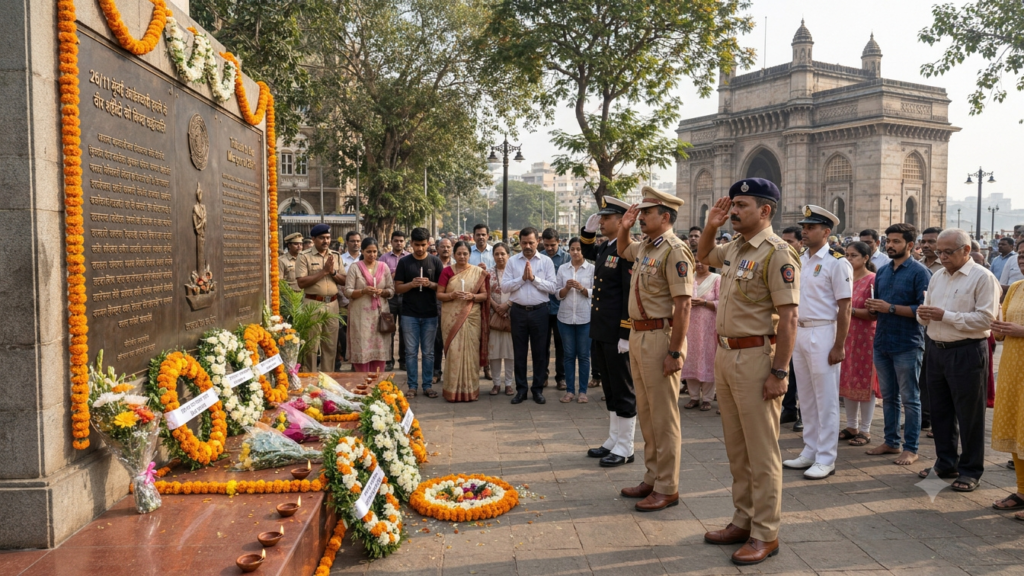
Apart from them, several other police personnel, NSG commandos, firefighters, and ordinary citizens displayed extraordinary courage.
Their actions demonstrated the true meaning of duty, humanity, and sacrifice.
Every year, people across the country pay tribute to the victims and martyrs of the Mumbai attacks.
Memorial events and tribute ceremonies are organised to honour those who lost their lives.
The families of the victims continue to carry the memories of their loved ones, while the country remembers their sacrifice with respect.
Mumbai Never Bowed Before Terrorism
The 26/11 attack deeply affected Mumbai, but the city refused to surrender to fear.
In the days following the attack, normal life gradually returned. Local trains resumed their services, shops reopened, businesses started operating again, and people returned to their daily routines.
The city slowly recovered from the tragedy.
Mumbai’s spirit became a symbol of resilience and determination.
The attack had attempted to create fear and division, but the people of Mumbai demonstrated unity and courage.
The incident also reminded the country that terrorism is an enemy of peace, humanity, and social harmony.
The strength of a nation is not measured only by its military power but also by the courage, unity, and determination of its people during difficult times.
Mumbai showed the world that even after facing one of the darkest nights in its history, it could stand up again.
Important Lessons We Learned from the 26/11 Mumbai Attack
The 26/11 tragedy taught India several important lessons about national security, public awareness, and emergency preparedness.
Some of the major lessons include:
- National Security Must Remain a Priority: Security arrangements must always be strong enough to prevent terrorist activities.
- Coastal Surveillance Is Essential: India’s coastline requires continuous monitoring to prevent illegal entry and maritime threats.
- Modern Training for Security Forces: Police and security personnel must receive advanced training and modern equipment to deal with terrorist situations.
- Better Intelligence Sharing: Intelligence agencies must work together and share important information without unnecessary delays.
- Public Awareness: Citizens should remain alert and report suspicious activities to the appropriate authorities.
- National Unity: Terrorism attempts to create fear and division. Society must respond with unity, peace, and mutual respect.
The most important lesson is that terrorism cannot defeat a nation that remains united, alert, and determined.
Conclusion: 26/11 Will Always Remain a Reminder of India’s Courage
November 26, 2008, was one of the darkest days in Indian history. The deaths of 166 innocent people, the suffering of hundreds of injured victims, and the sacrifices made by brave security personnel will never be forgotten.
However, the story of 26/11 is not only about destruction and terrorism. It is also a story of courage, sacrifice, unity, and resilience.
The terrorists attempted to spread fear across Mumbai, but the city refused to surrender. The bravery of Mumbai Police, NSG commandos, firefighters, hotel employees, and ordinary citizens demonstrated the strength of the Indian spirit.
Today, as the country remembers the victims and martyrs of 26/11, every Indian has a responsibility to honour their sacrifices and support a safer and more peaceful nation.
The heroes who gave their lives protecting others will always remain alive in the hearts of millions.
Their sacrifice will never be forgotten. India will always remember its brave heroes and innocent victims.
Jai Hind! Jai Bharat!
